The Unpredictable Nature of Organic Gardening: A Look at Our 2016 Season
The life of an organic gardener is a perpetual dance with nature, a blend of meticulous planning and spontaneous improvisation. As we reflect on our 2016 garden season, the overarching theme is undoubtedly one of learning and adaptation. While the dream is always a bountiful harvest, reality often interjects with its own set of challenges, reminding us that every season offers unique lessons. Our
2016 garden totals certainly told a story, a narrative of both triumphs and unexpected setbacks that ultimately enriched our understanding of sustainable cultivation.
For those of us at Hope's Haven, 2016 was a year punctuated by significant travel. Unexpected trips and pre-planned vacations collectively pulled us away from our patch for over a month during the crucial growing season. This absence, understandably, had a noticeable impact on our garden's productivity. It's easy to look at the numbers and feel a pang of disappointment, as my husband candidly suggested our harvest totals were "slightly embarrassing." However, the beauty of organic gardening lies not just in the pounds harvested, but in the effort, the experience, and the continuous journey of improvement.
Despite our extended absences, we had invested in a drip irrigation system, hoping it would be our saving grace. And in many ways, it was a dream come true for plant hydration! It delivered water directly to the root zones, ensuring our vegetables didn't succumb to drought. The flip side, however, was a harsh lesson in unintended consequences: the drip system, while nourishing our crops, also inadvertently provided perfect conditions for weeds to flourish. They seemed to compete vigorously for resources, often outmaneuvering our unattended vegetables. This experience highlighted a critical need for integrated weed management, even with advanced watering systems.
Among our new additions for 2016 were Bok Choy, Okra, and Purple Potatoes. These were exciting new ventures, broadening our culinary horizons and diversifying our garden's output. While some, like the Purple Potatoes, yielded modestly (12.4 ounces), others, such as Bok Choy (4 pounds 4.7 ounces) and Okra (4 pounds 4.9 ounces), showed promising potential. Our total harvest for the year, considering the circumstances, amounted to
56 pounds 2.3 ounces. While a dip from previous years (173 lbs, 309 lbs, 433 lbs), it was still a testament to the resilience of our completely organic, seed-grown produce. It served as a powerful reminder that even in challenging years, an organic garden can still provide fresh, healthy food.
From Modest Yields to Monumental Harvests: Contrasting 2016 Garden Totals
While our personal experience at Hope's Haven showcased the challenges of maintaining an organic garden amidst personal commitments, the broader landscape of
2016 garden totals reveals a spectrum of outcomes, including some truly astounding achievements. The Brooklyn Farm Girl, for instance, embarked on an ambitious new gardening adventure in Upstate New York, transforming a fresh plot into an incredibly productive food source. Their dedication to tracking every harvest provided invaluable insights into what can be achieved with strategic planning and relentless effort. For a deeper dive into the full scope of various garden yields, you might be interested in
Garden Totals Revealed: From 56 Pounds to Over a Half-Ton!
The Brooklyn Farm Girl's 2016 season was nothing short of monumental. After weighing every vegetable harvested, their grand total reached an astonishing **1147 pounds 6 ounces** – over half a ton of fresh produce! This incredible leap from their previous year's 458 pounds demonstrates the power of focused effort and optimal growing conditions. Their system involved weekly visits to the upstate garden, meticulous harvesting, and dedicated weighing sessions back in their city apartment. This rigorous tracking not only helped them identify which vegetables thrived but also allowed for precise year-on-year comparisons, a valuable practice for any serious gardener.
One of the most compelling narratives from their harvest was the story of the "surprise pumpkins." While not intentionally planted, compost seeds somehow found their way into the garden, sprouting into immense pumpkin plants that eventually yielded a colossal **287 pounds 12 ounces** of giant pumpkins. The question of whether to include these "volunteers" in the official total sparked a friendly debate, but the consensus was clear: nurturing and transporting these behemoths was significant work, earning them a rightful place in the
Record-Breaking 2016 Garden: The Year of Bok Choy & Giant Pumpkins.
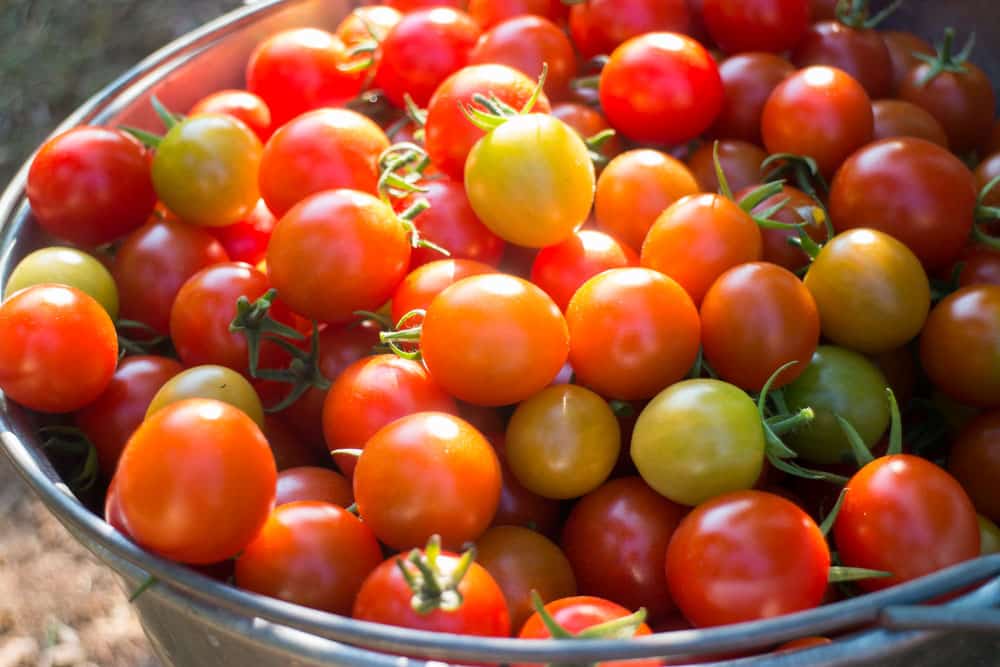
Beyond the pumpkins, 2016 was famously "the year of the bok choy" for the Brooklyn Farm Girl. Obsessed with the vegetable in the spring, she planted over 50 bok choy plants, which, to her delight, performed beautifully. However, this success came with a practical lesson: 50 bok choy plants proved to be far too much for one person to consume! This highlighted the importance of balancing enthusiasm with realistic consumption planning. Other stellar performers included tomatoes, with cherry (77 lb 15 oz), beef (118 lb 6 oz), and roma (150 lb 15 oz) varieties contributing significantly. Corn also saw successful growth, a testament to overcoming previous challenges.
Key Takeaways and Lessons Learned from Our 2016 Garden Totals
The varied experiences of the 2016 gardening season offer invaluable lessons for organic gardeners, whether you're aiming for a modest family supply or a massive yield. These takeaways transcend individual circumstances and apply broadly to anyone cultivating an organic patch.
*
Time Management and Planning for Absences: Our experience at Hope's Haven underscored how critical consistent attention is, particularly in organic gardening where synthetic aids are absent. If travel is unavoidable, consider setting up more robust automated systems that don't just water, but also deter weeds. Delegating tasks to a trusted friend or neighbor, even for basic weeding, can make a huge difference.
*
Integrated Weed Control Beyond Irrigation: The drip irrigation system, while efficient for watering, revealed its weakness against weeds. Future strategies must incorporate proactive weed management, such as applying a thick layer of organic mulch (straw, wood chips, shredded leaves) around plants. This not only suppresses weeds but also conserves moisture and improves soil health. Regular, quick weeding sessions when you *are* present are also non-negotiable.
*
Strategic Crop Selection and Quantity: The "year of the bok choy" illustrated the importance of realistic planting. While it's exciting to grow new varieties, assess your actual consumption capacity. For high-yielding crops, plan for preservation methods (freezing, canning, fermenting) or sharing with community members. Consider staggering plantings to extend harvests rather than having a massive glut all at once.
*
Embracing the Unexpected Bounty: The surprise pumpkins showed that nature often has its own plans. Be open to volunteer plants from your compost – they can sometimes yield the most impressive harvests! While they might require extra effort, they often thrive because they've found an ideal spot.
*
The Value of Tracking Your Harvests: Both gardens demonstrated the immense utility of keeping detailed records. Tracking
2016 garden totals, even if "embarrassing" in a low-yield year, provides crucial data. It helps identify what grows well in your specific microclimate, informs future planting decisions, and allows you to celebrate successes while learning from challenges. It transforms subjective observations into objective data.
*
Organic Resilience: Despite our challenges, our organic garden still produced fresh food. This highlights the inherent resilience of organic systems. By building healthy soil and supporting beneficial biodiversity, organic gardens are often better equipped to weather adverse conditions than conventional ones.
Maximizing Your Organic Garden's Potential: Actionable Tips
Leveraging the lessons from our
2016 garden totals and beyond, here are some actionable tips to help you maximize your organic garden's potential:
1.
Optimize Irrigation with Weed Control: If using drip irrigation, combine it with a substantial layer of organic mulch to suppress weeds. Consider using drip tape designed for specific row crops or even individual emitters for plants to reduce broad watering.
2.
Implement Proactive Weed Management: Dedicate short, regular intervals to weeding rather than long, infrequent sessions. "Little and often" is key. Employ companion planting to naturally deter some pests and weeds.
3.
Plan Your Crop Quantities Wisely: Before planting, estimate how much of each vegetable your household can consume fresh, preserve, or share. Consult seed packets for typical yields. For new varieties, start small to test their performance in your garden.
4.
Embrace Volunteer Plants (with caution): If a "surprise" plant appears, research it to ensure it's not invasive or a host for pests. If beneficial, integrate it into your garden plan and enjoy the unexpected yield.
5.
Document Everything: Keep a garden journal. Record planting dates, varieties, weather conditions, pest issues, and, most importantly, your harvest weights. This data is invaluable for learning and improving year after year.
6.
Build Soil Health Continuously: The foundation of a productive organic garden is healthy soil. Regularly add compost, practice no-till methods where possible, and use cover crops to enrich your soil’s organic matter and microbial life.
Conclusion
The 2016 gardening season, with its diverse outcomes and challenges, offers a compelling testament to the dynamic nature of organic cultivation. From the modest yet meaningful
2016 garden totals at Hope's Haven, impacted by travel and weed invasions, to the astounding, half-ton harvest achieved by the Brooklyn Farm Girl, complete with surprise giant pumpkins and valuable lessons in crop planning, the year was rich with learning opportunities. Every pound harvested, every weed pulled, and every success celebrated contributes to a deeper understanding of our connection to the food we grow. The journey of organic gardening is less about achieving perfection and more about continuous learning, adapting, and finding joy in the process. As we look forward to future seasons, we carry these lessons, striving to cultivate not just bountiful harvests, but also resilient, vibrant ecosystems in our backyards.